
How to Diagnose PCOS
A diagnosis for PCOS is typically made in people who experience at least two of the following symptoms:
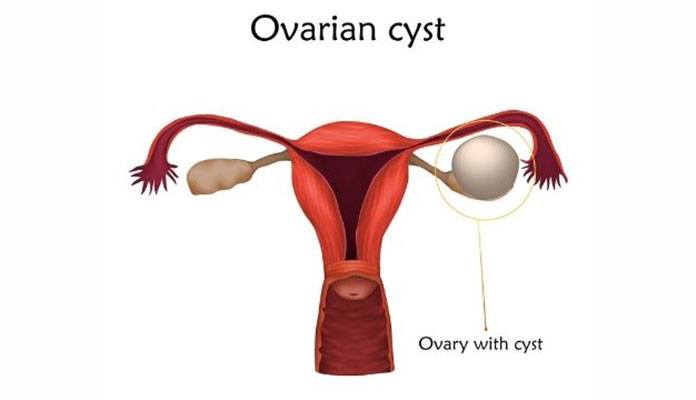
– Cysts in their ovaries
– Irregular menstrual cycle
– High levels of androgen
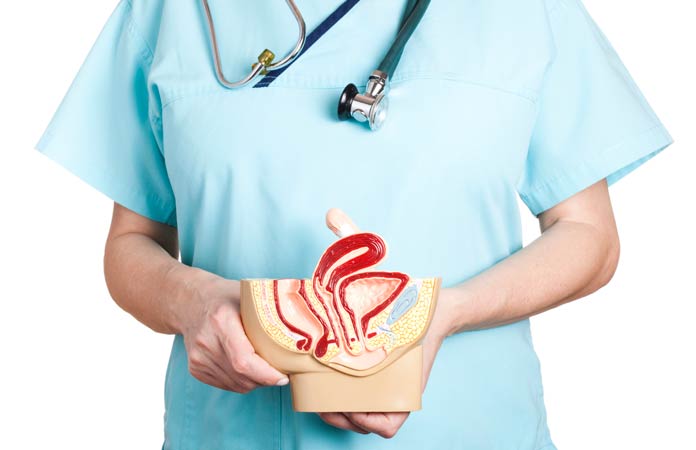
To identify these signs, your doctor will need to conduct a pelvic exam in the ovaries or reproductive tract. During this procedure, they will wear gloves and insert their fingers into the vagina to look for any lumps in these areas. In addition, a blood test may help determine abnormally high levels of male hormones linked to PCOS. The results from blood tests would provide information about the levels of triglyceride, insulin, and cholesterol to measure the overall risk of associated disorders, such as diabetes and heart disease. Last but not least, an ultrasound can detect unusual follicles in the uterus and ovaries, which may develop in women with PCOS. [7]