
Following up after Lyme Disease Blood Tests and Possible Risks
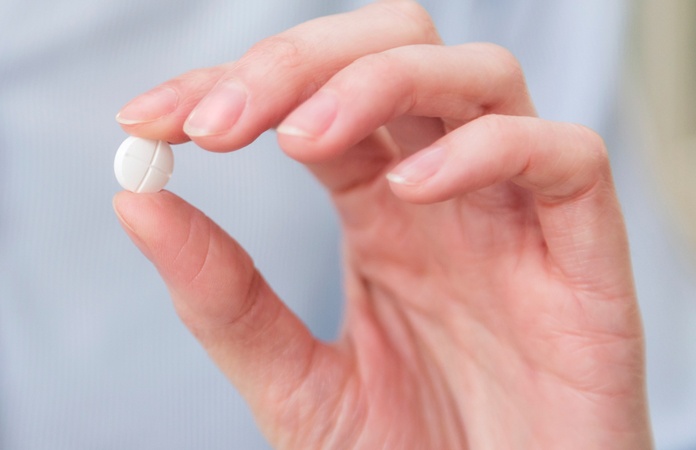
It is best to treat Lyme disease in the early stages. An early localized condition can be treated simply with a course of oral antibiotics in 10 to 14 days. Some drugs can help treat Lyme disease:
– Amoxicillin and cefuroxime for breastfeeding or nursing women
– Cefuroxime, amoxicillin, or doxycycline for children and adults
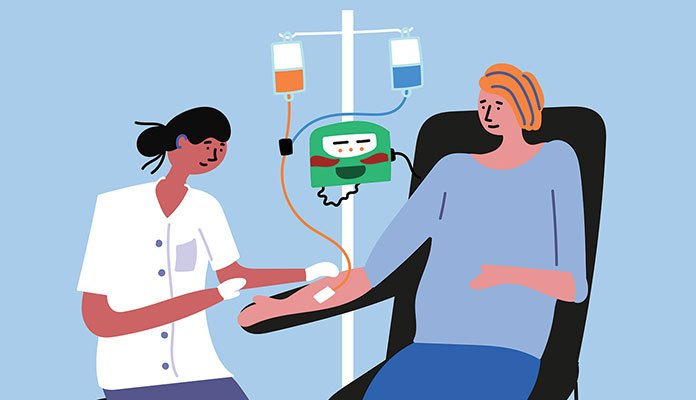
Some types of Lyme disease associated with central nervous or cardiac system may be treated with intravenous antibiotics. Once the symptoms have improved, your doctor may suggest you taking the medications orally. The whole course may last 14 to 28 days. [7]
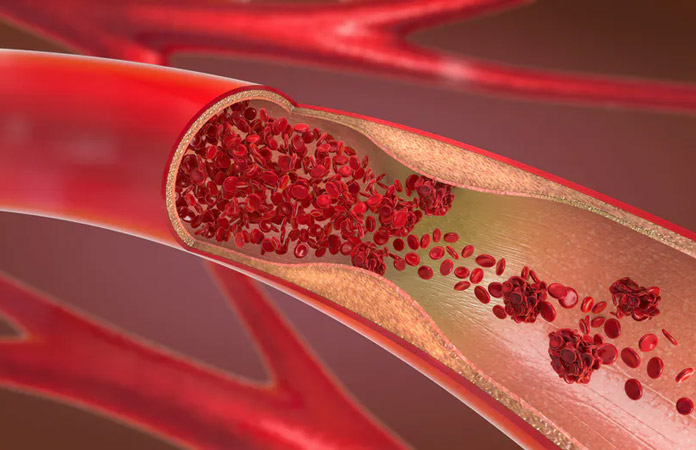
A Lyme disease poses very few risks, mostly associated with the process of drawing blood. It is possible to have excessive bleeding. The risk can vary from people to people, depending on the size of the vein. Taking certain blood thinning medications or anti-inflammatory medications, such as naproxen, ibuprofen, aspirin, warfarin, or heparin, may make you more prone to this effect. Infection at the punctured area is possible as well, but it is unlikely to happen. [8]