
Bacteria on Sponges
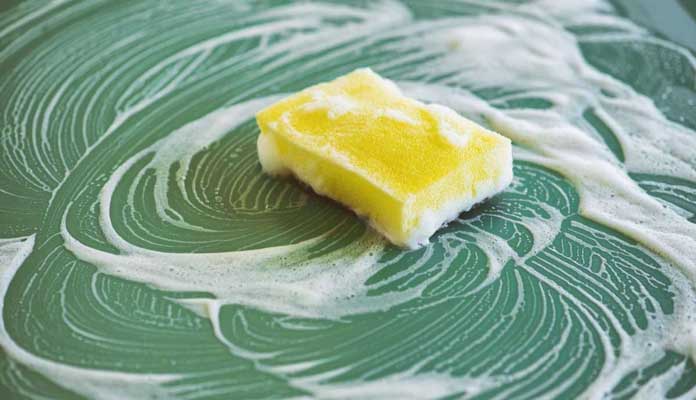
Sponges are a breeding ground for bacteria. Every area contains billions of cells from leftover foods, accumulated dirt, and other things in the kitchen. Commonly found bacteria on sponges include:
– Klebsiella oxytoca: It is linked to vaginal infections.
– Enterobacter cloacae: It may lead to abdominal and skin infections.
– E. Coli: It would trigger diarrhea or upset stomach.
– Salmonella: It is associated with food poisoning.
– Staph: It may lead to a staph infection, which causes irritated skin, swelling, and fever.
– Mycobacterium avium: It may cause pulmonary-related illnesses in those with compromised immune systems. [5]
How Long Should You Keep Sponges
The answer depends on how you use sponges. For daily use, it is advisable to replace them at least one time per week. Replace or sterilize sponges if they are used for cleaning raw food spills. If you sterilize sponges often, you would replace them every two weeks without worrying about any health risks. Also, consider purchasing new ones when your sponges feel slimy, look dirty, or have an abnormal or foul smell. To ensure a longer use of sponges, you should use different sponges for different tasks, such as dishes, bathroom, or counter. This helps prevent cross-contamination and allow sponges to stay dry for an extended period of time. [6]