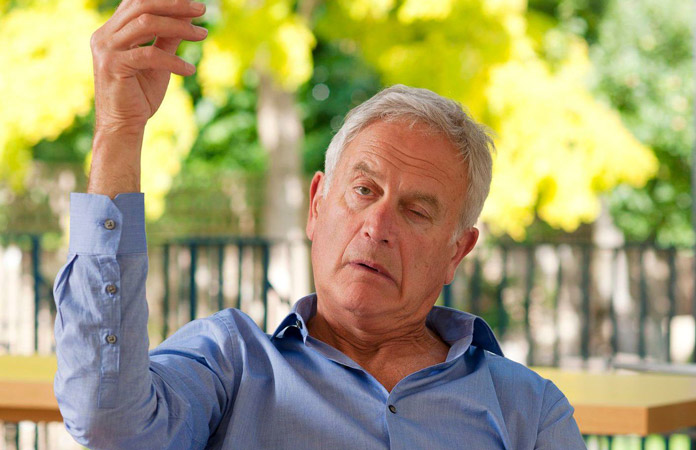

Why Do Masked Faces Happen in Parkinson’s Disease?
Parkinson’s disease impacts nerve cells in the brain that release dopamine. This neurotransmitter plays a key role in controlling muscle movements. A lack of dopamine, therefore, would impair facial expression and other movements in the body. There are some mechanisms in which Parkinson’s disease may affect your facial movements:
– Stiff or rigid muscles would make it more challenging to raise the eyebrows or smile
– Apathy may cause a lack of emotions that impact facial expressions
– Bradykinesia causes slowed movements, which reduces visible responses on the face. This would make it harder to precisely display visual responses in communication
– Parkinson’s disease may significantly impair autonomic responses on the face, such as laughing, smiling, and blinking. [5]