
Hormones and Diseases
When a hormone imbalance occurs, it means the body has too little or too much of a specific hormone. Even a small change may lead to serious effects on your overall health. Simply think of hormones like a cooking recipe. Adding too little or too much of any ingredient might affect the final dish. Though levels of some hormones can fluctuate and vary during the lifetime, natural aging might be a decisive factor. [5]
Signs of Hormonal Imbalance
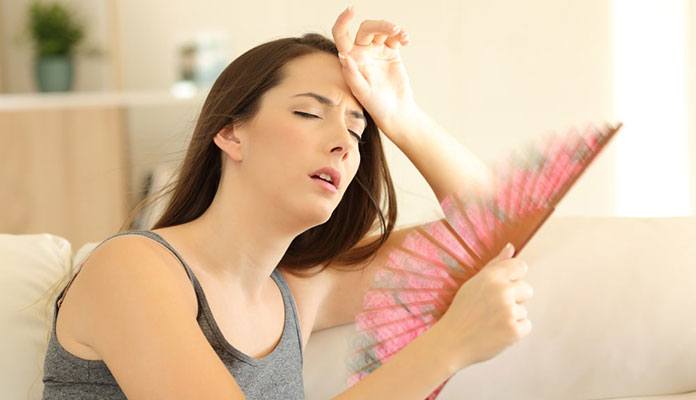
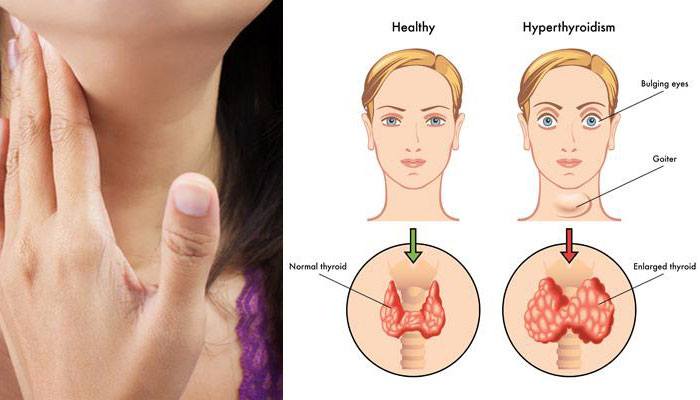
Hormones play many important roles in the body. Therefore, hormonal imbalance may lead to a variety of symptoms. The exact signs can vary, depending on the affected glands and hormones. Common problems that affect both women and men include a fatty hump between the shoulders, weight gain, fatigue, a sudden and unexplained weight loss, muscle tenderness and aches, muscle weakness, fatigue, sweating, decreased or increased heart rate, joint swelling or stiffness, increased sensitivity to heat or cold, sweating, increased hunger or thirst, frequent urination, constipation, dry skin, thinning hair, brittle hair, infertility, blurred vision, irritability, anxiety, nervousness, depression, reduced sex drive, pink or purple stretch marks, rounded face, or puffy face. It is important to note that these signs are nonspecific. Noticing them does not necessarily mean that a hormonal imbalance occurs. [6]