
Blood Type and Heart Disease
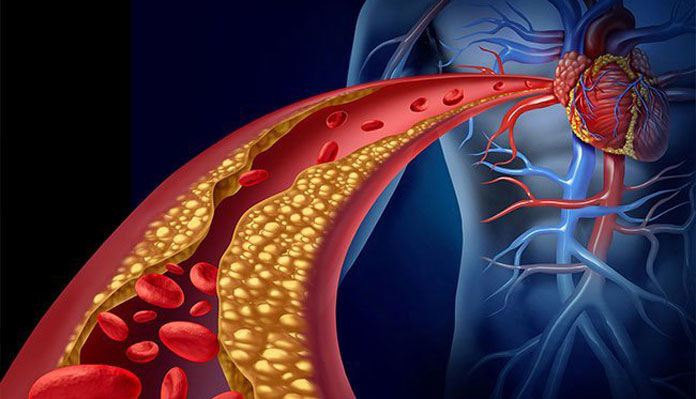
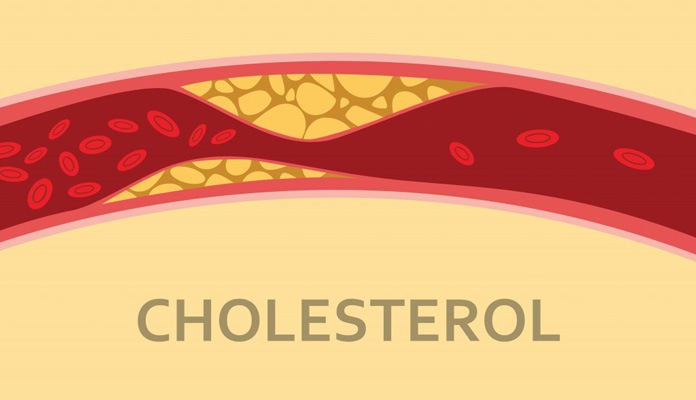
It has been shown that people with blood type A, B, and AB tend to be more affected by heart disease. On the other hand, the risk of heart failure or a heart attack is lower in group O. Similarly, those with group A and B are more likely to develop a pulmonary embolism or deep vein thrombosis, which would further increase the risk of heart problems. Scientists believe that this may be explained by how inflammation occurs in the bodies of these different groups. The proteins in group A and B would be thicker in the arteries and veins, which may make the blood more likely to clot and thus increase the risk of heart disease. [5]