
Diagnosis
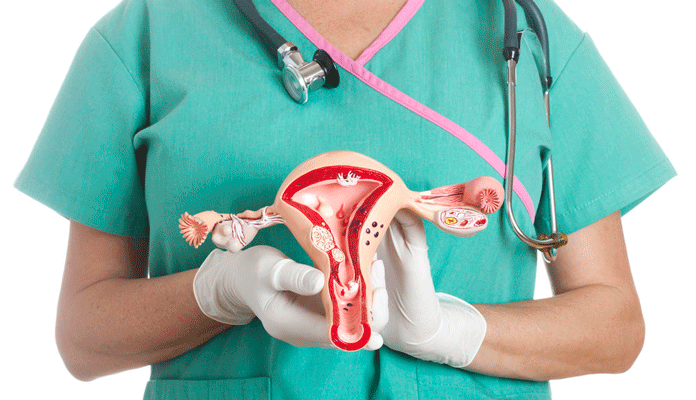
To diagnose menorrhagia, a doctor needs to know about your menstrual cycles and medical history. It is necessary to keep track of your nonbleeding and bleeding periods on a note. This should include the amount of sanitary protection to control and the heaviness of the flow. Based on the provided information, a physical exam and some other tests can be done to verify the conditions. A blood test might confirm anemia and thyroid disorder, two common complications of menorrhagia. A Pap test is also helpful in testing an inflammation or infection. Some other common diagnostic methods include endometrial biopsy, ultrasound, hysteroscopy, and sonohysterography. [8]