
Tests for Hypersensitivity Syndrome
Based on the results of the physical exam and medical history, your doctor may need to take some rests to verify the presence of hypersensitivity syndrome. For instance, a skin biopsy may help identify dense infiltration of some inflammatory cells, including edema, extravastated erythrocytes, eosinophils, and lymphocytes. Some blood tests can also help with diagnosis, such as:
– Coagulation studies
– Complete blood count
– Genetic susceptibility tests
– Endocrine function: glucose levels, thyroid function
– Viral serology: HVV-6, CMV, EBV, hepatitis B, hepatitis C
– Biochemical tests: muscle enzymes, renal function, liver function
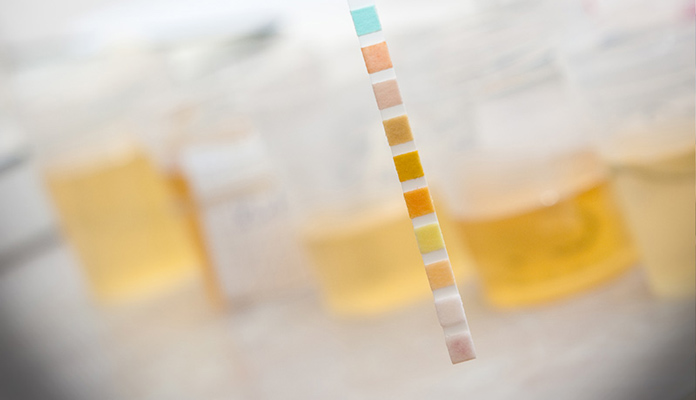
To evaluate renal damage, your doctor may implement urinalysis. In addition, some imaging techniques, such as X-ray, echocardiogram, or ECG, may help assess the effects of hypersensitivity syndrome in internal organs of the body. [9]