
Urethra
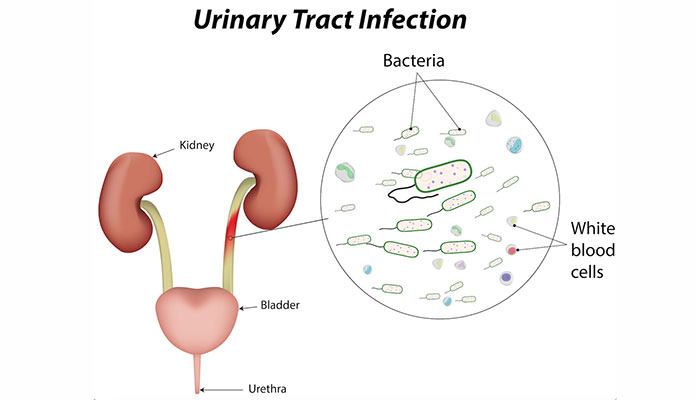
The urethra is a tube through which urine is removed out of the body from the bladder. The wall of this part is lined with mucous membranes. It contains a quite thick layer of smooth muscle tissue and many mucous glands. In men, the urethra works as a passageway for secretions and cells from reproductive organs as well as a urinary canal. In women, this organ has a length of around 4 centimeters. The urine flow is regulated by the external and internal sphincter muscles in the urethra. [5]
Homeostasis Maintenance
The urinary system helps maintain the homeostasis of some internal conditions by regulating the release of the following elements out of the body:
– pH: The kidneys control the levels of bicarbonate and hydrogen ions in the blood, which helps regulate pH.
– Ions: Some ions like chloride, phosphate, magnesium, calcium, sodium, and potassium can be regulated by the kidneys.
– Blood pressure: When blood pressure is high, the kidneys can reduce blood volume, thus reducing blood pressure. This can be done by generating diluted and watery urine. In cases of low blood pressure, this organ releases the enzyme renin to contract blood vessels and generate concentrated urine.
– Osmolarity: An isotonic environment is important for body cells to maintain a balance of electrolytes and fluids. The kidneys help maintain this balance by regulating the amount of filtered and excreted water in urine. [6]