
Physical Exam
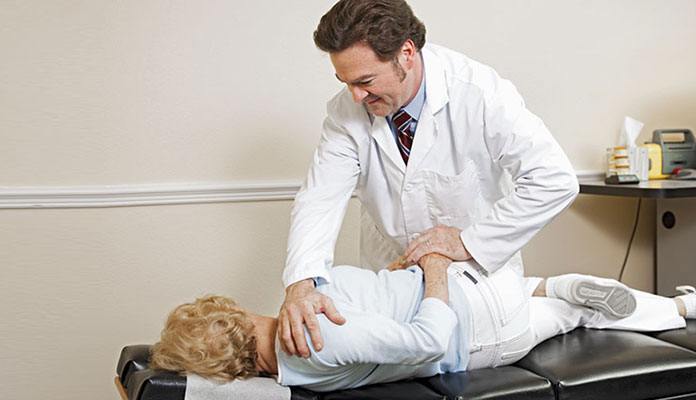
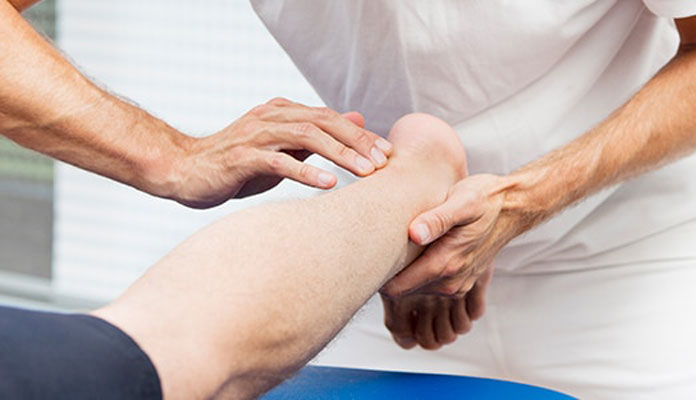
During a physical exam, the doctor will check for signs of redness, warmth, tenderness, and swelling in the hands. In addition, they need to test your fingers’ strength and range of motion. Reduced joint function and stiffness are likely to be more serious in erosive osteoarthritis than in typical hand osteoarthritis. The healthcare provider may also need to examine other joints in the body, especially in the elbow and wrist. These parts are commonly affected in people with rheumatoid arthritis, but not in those with erosive osteoarthritis. [6]
Blood Tests
A blood test may not indicate the presence of erosive osteoarthritis. However, a doctor may do it to rule out the possibility of other medications that would lead to similar symptoms. Common blood tests for this purpose include rheumatoid factor, C-reactive protein, anti-cyclic citrullinated peptide antibody, and erythrocyte sedimentation rate. In people with erosive osteoarthritis, the results should be in the normal range. However, results tend to be abnormal in those with rheumatoid arthritis. [7]
Imaging Tests
In people with erosive osteoarthritis, an X-ray in the hands may indicate central erosions. These are breaks occurring in the bone surface right in the middle of the joint, also known as “gull-wing appearance.” X-rays may also identify other changes with erosive osteoarthritis. These include partial dislocations, cysts in the bones under the cartilage, mobility and joint stiffness due to bone fusion, and bony growths. On the other hands, bare parts on the sides can be common in psoriatic arthritis or rheumatoid arthritis. [8]