
Diet Changes
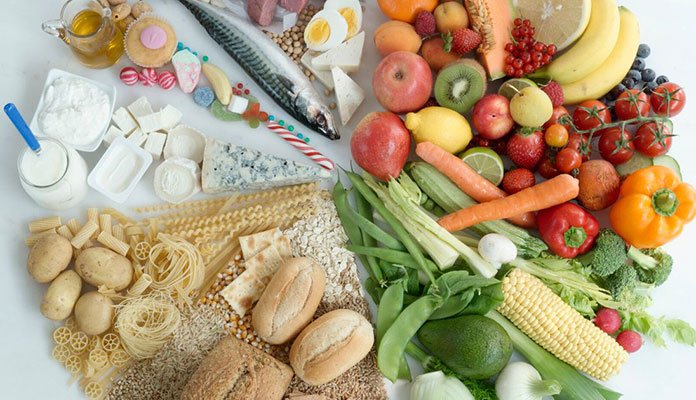
In addition to taking drugs and supplements, making some diet changes can help with hypokalemia. The key is to consume more foods with potassium in your daily meals. Ideally, a typical adult should take in around 4, 7 grams of this mineral on a daily basis to ensure normal functions of the body. Based on the test results, you would consult your dietitian to design a proper diet. Some high-potassium fruits include banana, apricot, cantaloupe, papaya, raisin, orange juice, or strawberries. For veggies, go for squash, spinach, sweet potato, carrot, broccoli, celery, or beet. Also, go for meat that is high in potassium such as lamb, beef, turkey, and chicken. [16]