
Treatment Options
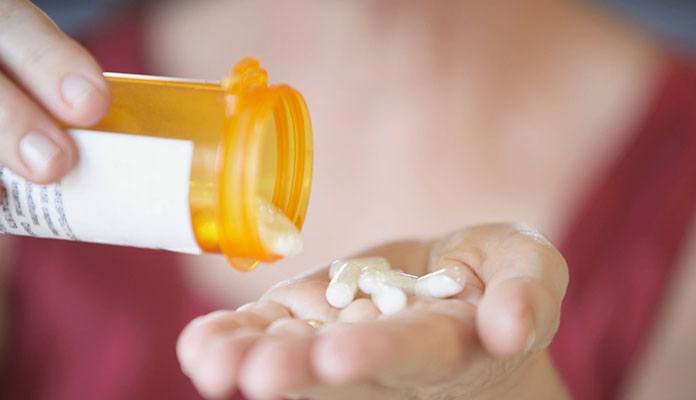
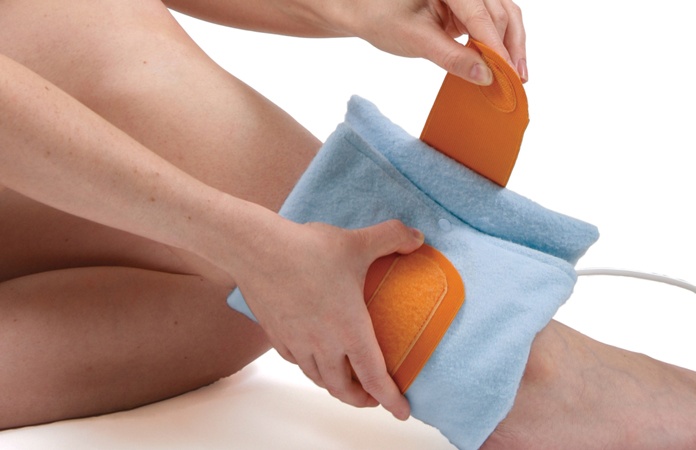
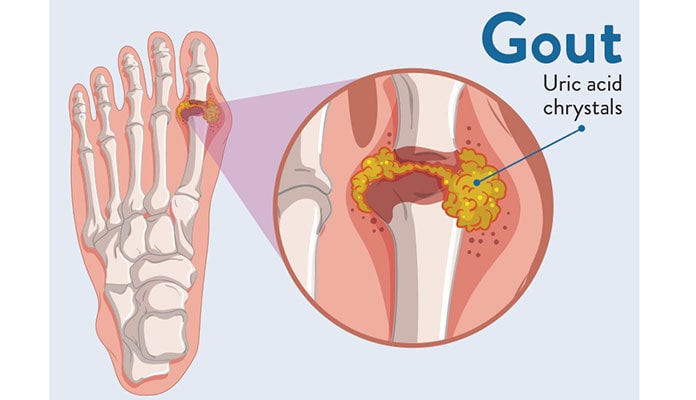
The severity of gout can vary from person to person. In many cases, OTC anti-inflammatory medications, such as naproxen sodium and ibuprofen are enough to ease inflammation and pain. For more severe cases, a doctor may prescribe corticosteroids or anti-inflammatory drugs. The treatment should be a pill or an injection to alleviate joint pain. If gout attacks keep coming and going for an extended period, other drugs may be needed to limit the production of uric acid and aid the process of removing uric acid from the body.
For people with diabetes, it is important to have a balanced diet and maintain moderate body weight to reduce the risk of gout. A good BMI may help the kidneys to function properly and eliminate excess uric acid through urination. Staying hydrated by drinking a lot of water is also a good option. Last but not least, avoid some supplements and medications that would increase uric acid levels, such as niacin, vitamin A, aspirin, or diuretics. [5]