
Fluids
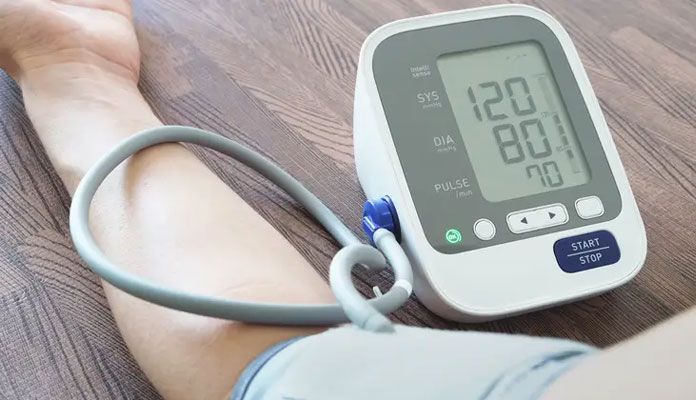
If you are at risk of congestive heart failure, the doctor might encourage you to limit the intake of fluids. This can help your heart from being overwhelmed with fluids during the day, which would increase blood pressure and strain the walls of arteries. The exact amount can vary from people to people. Keep in mind that all fluids are accounted for the intake, including ice cream, gelatin, soups, or alcohol. There are a few alternatives to help you quench your thirst, such as sugar-free gum, candy, licking an ice cube or swishing water and spitting it out. In more severe cases, your doctor would prescribe diuretics or water pills to aid in ridding excess fluids. [14]