
Stool Tests and Endoscopy and Colonoscopy
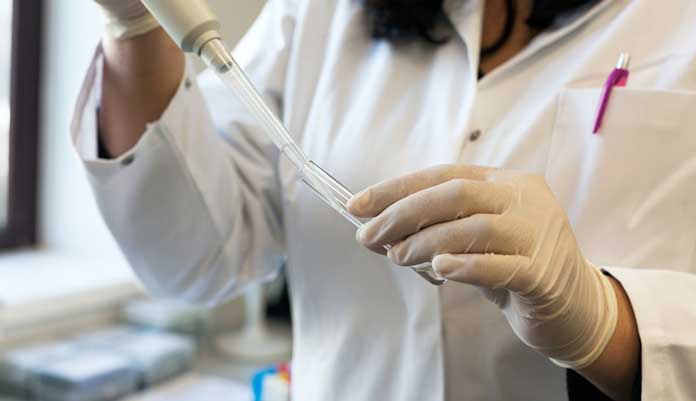
Stool tests including stool culture, fecal calprotectin, fecal lactoferrin help doctors understand what might be going on in your gastrointestinal tract. The increase of specific proteins in the feces reflects an active defense against intestinal infection or inflammation. Meanwhile, stool tests can also detect occult (blood), another sign of Crohn’s disease.
Endoscopy and colonoscopy are effective means to exclude other etiologies, and both play an imperative role in establishing the diagnosis. With endoscopic examination, doctors can check the existence of ulcers, bleeding, or swelling and have a clear image of your digestive tract.