
6 Causes of An Umbilical Hernia
Congenital
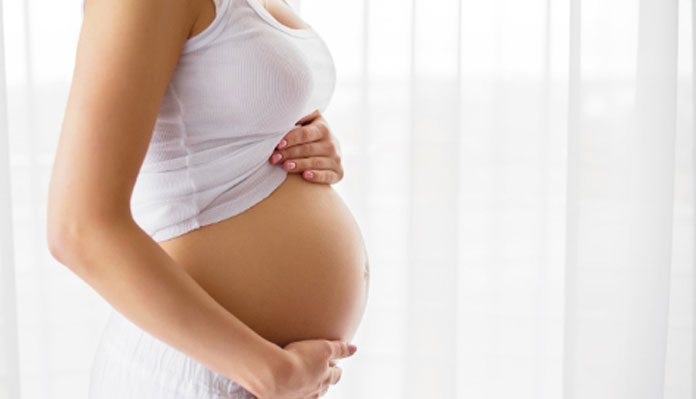
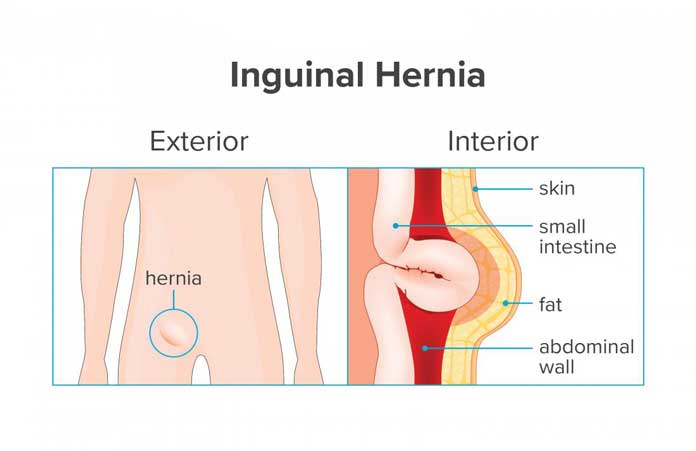
During the development of a fetus in pregnancy, a small opening is formed in the abdominal muscles. The umbilical cord can pass via this area to connect the baby with the mother. Shortly after birth, this opening should close. However, when muscles cannot assess and completely grow together, it leads to an umbilical hernia. This results in a weak spot in the abdominal wall and the surrounding muscles. Due to this reason, many cases of umbilical hernias are reported in newborns and young children. The risk is also high in premature babies and those with genital defects, such as ambiguous genitalia, fluids in the testicles, or unusual position of urethra.[5]