
Hemorrhagic Stroke in Children
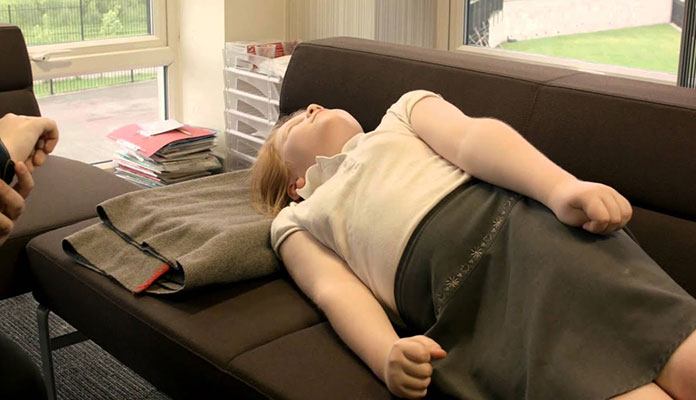
While strokes typically occur in the elderly, this health problem may affect children as well. It is estimated that hemorrhagic strokes account for up to 44 percent of strokes in young people, in comparison with 13 percent in adults. Common causes of this condition in children include trauma, infections, metabolic diseases, cancer, blood vessel issues, and disorders that affect the blood. Typical signs of hemorrhagic strokes in children include vomiting, headache, seizure, loss of consciousness, weakness on one part of the body, vision issues, drowsiness, and trouble speaking. Depending on the severity and location of the stroke, the long-term outlook can vary. The condition would affect their emotional and physical health as well as ability to socialize and learn. [8]
Diagnosing Hemorrhagic Stroke
The most effective option to diagnose a hemorrhagic stroke is an imaging technique. The goal is to look for signs of bleeding in the brain. A CT scan on the head is often the first step. It is a reliable and quick method to rule out possible bleeding in the brain. If your doctor identifies bleeding, but the underlying causes are still unknown, other tests should be done. For instance, an MRI or a cerebral angiogram can help detect other common bleeding causes, such as a brain tumor, amyloid angiopathy, aneurysm, or arteriovenous malformation. [9]