
Other Skin Issues
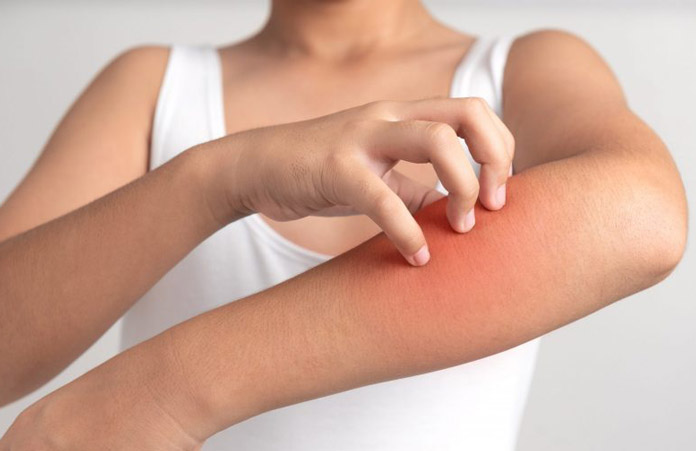
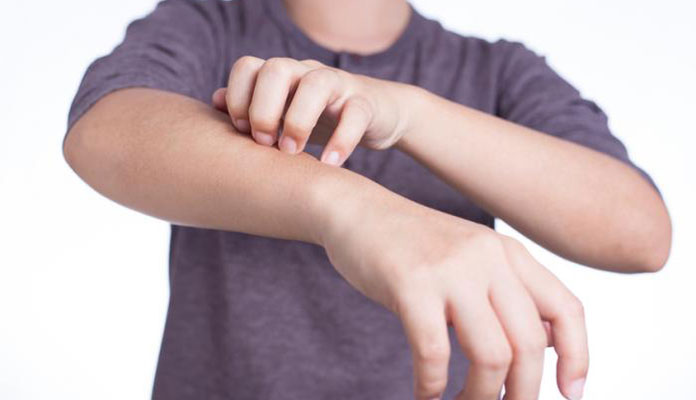
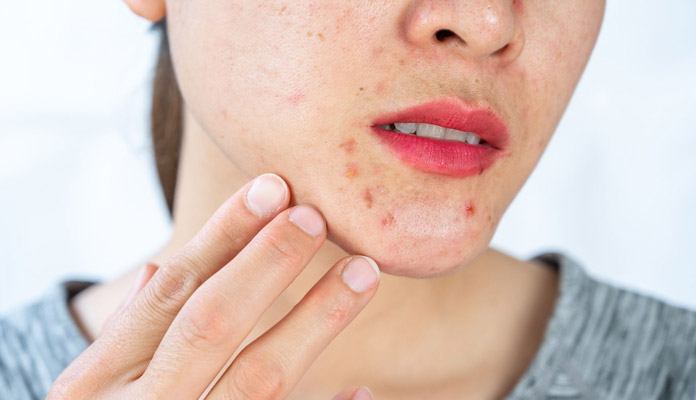
Like the entire body, the skin has a circadian rhythm that adjusts based on the time of the day. When you go to sleep at night, the barrier of the skin may lose a lot of water due to a drop in the level of cortisol hormone. As a result, you may feel itchier during the night and scratch yourself. In addition, some skin issues would lead to scratches at night, such as scabies, psoriasis, eczema, dry skin, or atopic dermatitis. Some scientists suspect that a distinct skin disease may be responsible for sleep-linked scratching. Nevertheless, they have yet to have a specific name for this condition. [8]