
Causes of Psoriasis and How to Diagnose It
The exact causes of psoriasis are still not fully understood. Nevertheless, scientists believe that it is associated with two main factors: the immune system and genetics. The condition happens when white blood cells mistakenly attack skin cells instead of harmful invaders. This speeds up the production of new skin cells, which show up on the surface of the skin as plaques. Certain genetic factors are associated with psoriasis. It means you can be at a higher risk if your family members have a history of this disease. [6]
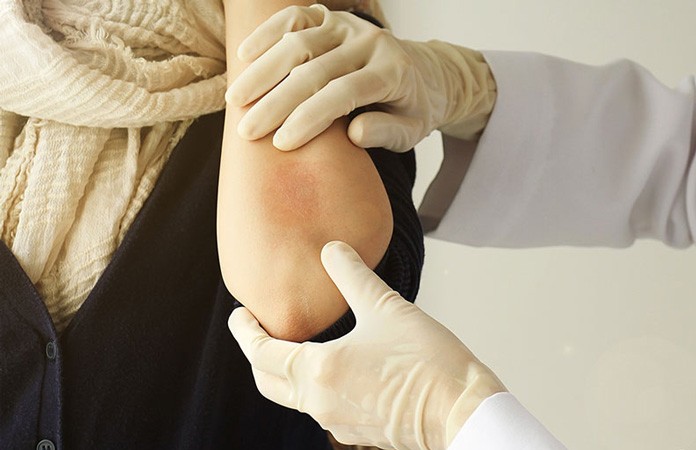
Many cases of psoriasis can be diagnosed with a physical exam. This is because symptoms tend to be clear and simple to differentiate from other diseases. During the exam, make sure to provide your doctor with all the necessary information. When the symptoms are not evident, a biopsy can be done to help diagnose the condition. During this procedure, your doctor will get a skin sample for analysis in the lab. Under the microscope, it is possible to figure out which form of psoriasis you may have. [8]