
Genetic Factors
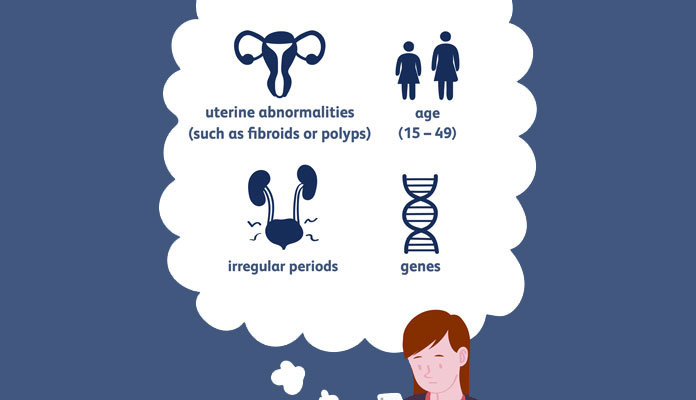
Many studies have shown that genetics and family history play a role in the occurrence of dysmenorrhea. However, it is still unclear how they affect the symptoms.
Certain scientists have found out that the severity of episodes can be a mixed result of many genetic factors, including particular nerve growth factors, active epigenetic marks in the ovary and fat tissue, and the RNA in your aorta tissue. However, epigenetic marks can also be affected by environmental factors, such as lifestyle choices and diet. Previously, nerve growth factor has been related to other chronic pain issues, so the association with dysmenorrhea makes sense. Moreover, people with extreme menstrual cramps tend to be at a higher risk of depression, polycystic ovarian syndrome, endometriosis, as well as other psychiatric conditions with a genetic element.[5]