
Treatment Options for Ischemic Stroke
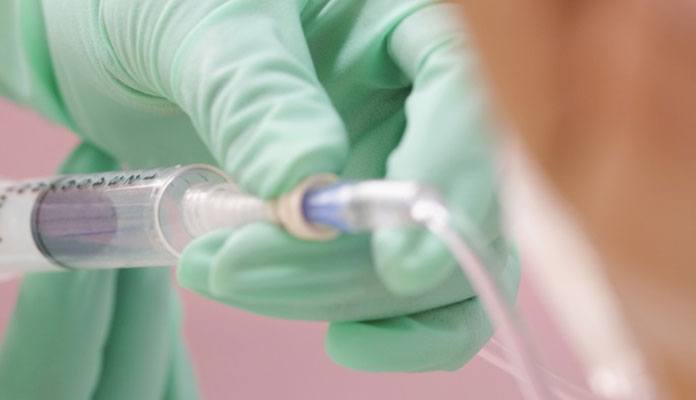
The first goal in treating ischemic stroke to restore blood pressure, heart rate, and breathing pattern to the normal levels. In some cases, the doctor would make an attempt to alleviate pressure in the brain by suggesting some drugs. The main treatment option for ischemic stroke is tPA or tissue plasminogen activator, which can be taken intravenously to break up clots. It is advisable to give tPA within 4 hours from the beginning of the stroke to maximize its effectiveness. Avoid taking the drug more than 5 hours after the stroke occurs as there will be no effects. A possible side effect of tPA is to cause bleeding. Thus, you cannot go for this treatment when you have a history of bleeding in the brain, hemorrhagic stroke, or recent head injury or major surgery. It also cannot be used by those who take anticoagulants or blood-thinning drugs.
When tPA does not work, surgery might be needed to remove clots. Mechanical removal would be done up to 1 day after the occurrence of stroke signs. Long-term treatment options include anticoagulants or aspirin to prevent other clots. When an ischemic stroke is triggered by a health issue like atherosclerosis or high blood pressure, the doctor would insert a stent to help open the narrowed artery. [7]