
Diagnostic Tests
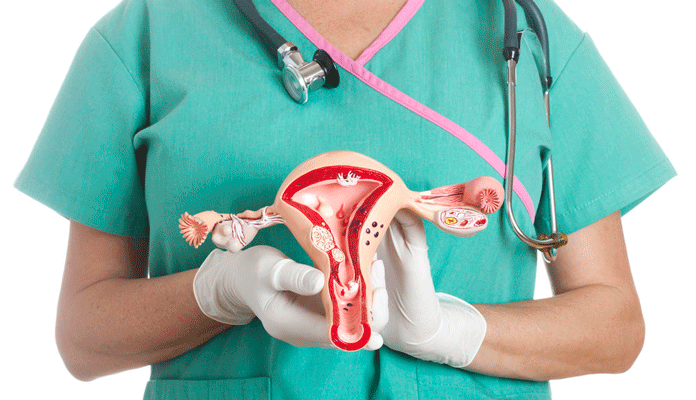
If a physical exam cannot determine the exact cause of oligomenorrhea, then your doctor might need to do other tests to confirm. In most cases, less invasive procedures are required in the first steps until more comprehensive tests are needed in challenging cases. To start, you need to get a urine or blood sample, which can be used for testing many conditions that would trigger menstrual irregularities. These include inflammation, infections, nutritional deficiencies, STDs, and bleeding. You can also be tested for thyroid function and hormone levels. Another option is a pap smear to check for signs of cervical cancer. To examine the reproductive parts, certain imaging tests like MRIs, CT scans, or ultrasounds can help. [8]