
7 Stages of Chronic Venous Insufficiency
Based on C classifications, there are 7 stages of chronic venous insufficiency. These include:
– Stage C0: There are no visible symptoms, such as notable veins or swelling. You may follow some lifestyle changes, such as a healthy diet or exercise, to slow the progression.
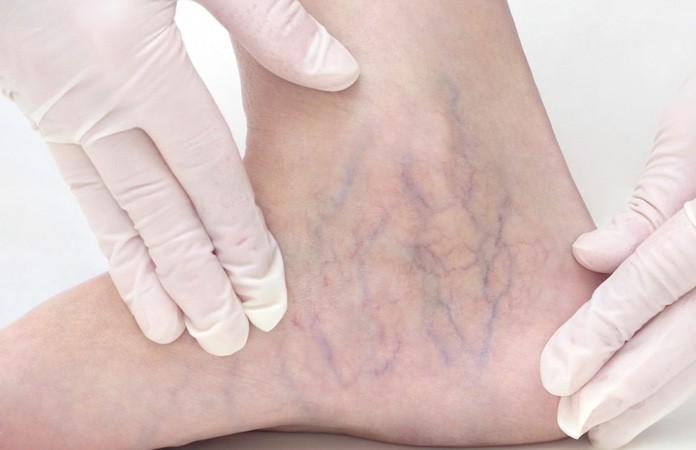
– Stage C1: Symptoms begin to appear. These include visible veins and visible blood vessels with varying sizes. At this stage, it is recommended to wear compression bandages, boots, or stockings.
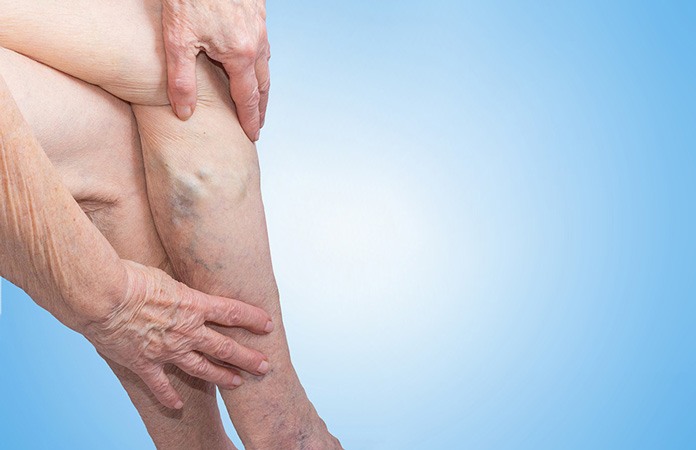
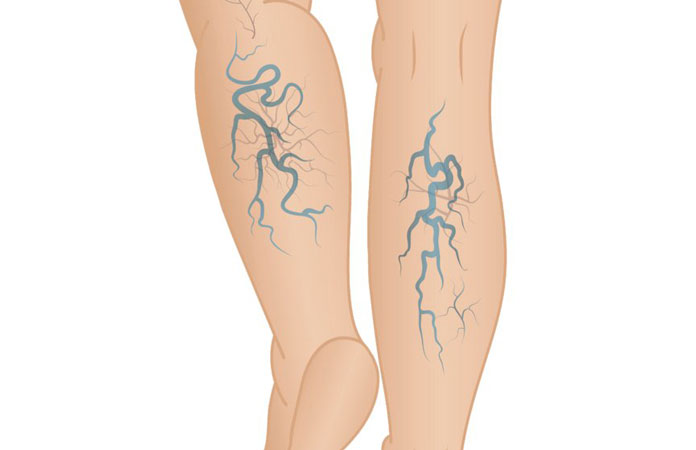
– Stage C2: Varicose veins start to occur. These enlarged veins can be noticed when they protrude under the skin. You need to keep wearing compressing stockings and work out a lot. Other medical treatments for this stage may include sclerotherapy and endovenous ablation.
– Stage C3: You may start to notice edema, which is swelling in the legs due to water retention. There are no skin changes at this stage.
– Stage C4: Skin changes start to occur with swelling. This stage can be further divided into three substages.
+ Stage C4a: There are changes on the skin surface. You may experience itchy and red skin with small markings in gray or brown color.
+ Stage C4b: More noticeable changes can be noticed on the skin. For instance, the texture may become thicker or harder and scar marks may appear along the legs. There would be pain as well.
+ Stage C4c: Visible blood vessels and veins can be noticed around the ankles.
– Stage C5: Ulcers may start to appear. The main goal of treatment at this stage is to reduce varicose veins and swelling to prevent further ulcers.
– Stage C6: Ulcers may occur on the legs. You need specialized dressings and medicated creams to heal these open wounds on the skin. If left treated, they may result in severe complications, such as an infection. [4]